
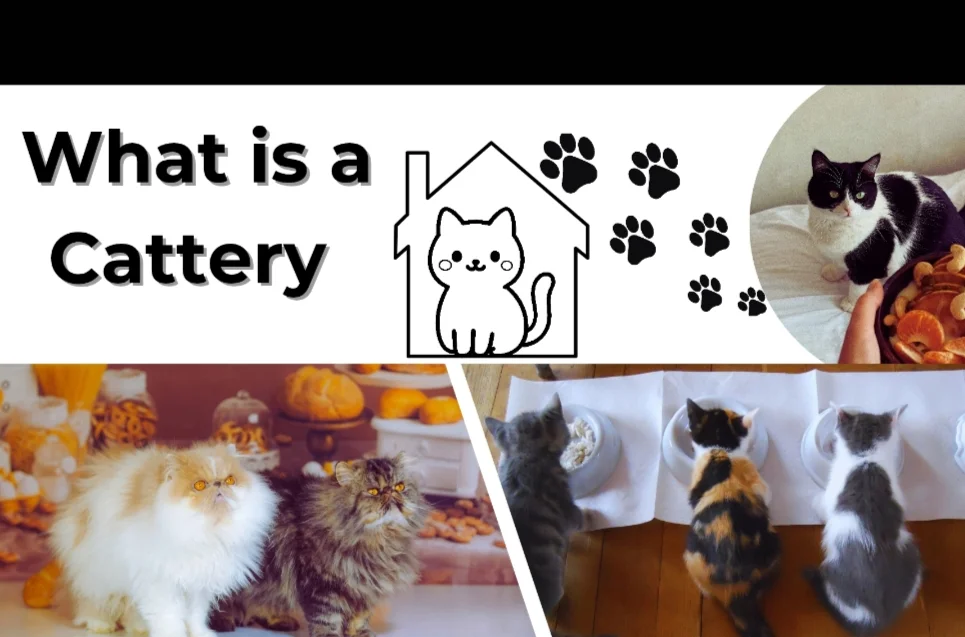
What Is a Cattery-Meaning, Cost, advantages, disadvantages and How It Works
definition
When cat owners plan a holiday, work trip, or face an emergency, one important question always comes up: who will look after the cat?
In situations like travel or emergencies, this concern is very common. Understanding what a cattery gives peace of mind to owners. It helps cat owners clearly understand how cat care options work when owners are away from home.
Many cat owners prefer hiring a cat sitter, which is also a good option. Comparing a cat sitter vs a cattery makes the decision easier and helps you choose the right direction for your cat’s care. based on your cat’s personality and needs. Many people hear the word but are unsure what it really means, how it works, and whether it is the right option for their cat.
Meaning of Cattery in English
Today cattery word is mainly used for professional cat boarding facilities.
The meaning does not change based on country or region. Whether someone is in the UK, Europe, or elsewhere, a cattery generally means a dedicated place for boarding cats.
Noun
Grammatically, cattery is a noun because it names a place rather than an action. For example, someone might say, ‘My cat stayed at a cattery while I was on holiday. Here, the word clearly refers to a physical location.
How Does a Cattery Work?
A cattery works by combining structure, supervision, and cat-friendly design. When a cat arrives, staff usually check basic details such as feeding instructions, health notes, and behaviour traits.
Most catteries follow a clear system. Cats are fed at regular times, their spaces are cleaned daily . Staff watch for changes in appetite.This organised setup makes it easier for cats to settle into their short-term environment.
Cattery Units
Cattery units are individual spaces where cats stay during boarding. These units are designed to give each cat privacy and security. Having a separate unit reduces stress and prevents conflicts between unfamiliar cats.
Units usually include sleeping areas, feeding zones, and space for movement. The design focuses on keeping cats comfortable while also making cleaning and monitoring easy for staff.
What to Check When You Visit a Cattery
When visiting a cattery, it is essential to observe cleanliness, organisation, and staff behaviour. The environment should feel calm.
You should also notice how the staff interact with the cats. A well-managed cattery will always be open about its care practices.
Sleeping Area
The sleeping area is where cats rest and feel secure. It usually contains soft bedding and is placed in a quiet section of the unit.
Cats rest for most of the day, the quality of this area greatly affects their comfort.
Run Area
The run area gives cats space to stretch, walk, and observe their surroundings. Movement helps reduce boredom and tension, especially during more extended stays. Even gentle movement can improve a cat’s overall mood while boarding.
Penthouse Style Pen
A penthouse-style pen offers both vertical and floor space. Cats naturally enjoy climbing and observing from higher positions. These pens allow cats to move upward, which can make them feel more in control of their environment.
What Is a Cattery Like?
People often feel anxious before booking a cattery because they do not know what a cattery is like
Most catteries include
- Individual indoor pens or private rooms
- Separate areas for food, sleep, and litter
- Climate control systems
- Secure doors and double-lock systems
Modern catteries may also offer the best features, such as shelves, window views, toys, and outdoor areas. It helps keep cats mentally stimulated during their stay.
Importantly, cats from different households are not mixed. It prevents fighting, stress, and the spread of illness. Owners can feel confident knowing their cats are in safe hands
cattery business explained
Running a cattery business requires knowledge of animal welfare, hygiene, and emergency handling, following recognised animal welfare standards.
Cattery Business involves
- Regular inspections
- Clear operating procedures
- Trained staff
Owners trust these businesses with their pets, often for days or weeks, so professionalism is essential.
What is cattery in England and UK?
Many people search for it. Across England, catteries need a valid licence from their local council to operate legally.
A cattery in the UK must keep written records of every cat, including vaccination status, feeding routines, and owner contact details.
These regulations protect both cats and owners, making UK catteries some of the safest boarding options globally.
Importance of Choosing the Right Care Option
Choosing the wrong care option can affect your cat’s physical and emotional health. Cats are sensitive, and sudden changes can cause stress.
Why a Cattery Can Be the Right Choice
A cattery can be a good option if your cat is confident, curious, and you plan to travel for several days.
Your cat needs medication or observation You want professional supervision
Advantages and Disadvantages of Cat Boarding Facility
Considering both perspectives enables owners to make well-informed choices. Selecting a cat boarding facility comes with both advantages and drawbacks.
Advantages
Professional supervision is a major benefit, with experienced staff trained to recognise early signs of stress or illness in cats.
Cleanliness is usually maintained at a high level. Another benefit is structure. Regular routines help many cats settle faster than expected.
Catteries also remove the risk of property damage at home and ensure cats are not left alone for long periods.
Disadvantages
Some cats find it difficult to adjust to new surroundings. Even with reasonable care, a temporary change can cause mild stress.
Cats that are highly anxious or very attached to their home environment may need extra time to settle.
What is the cattery cost?
Another common concern is pricing.
Cattery prices can vary based on a number of factors. Like
- Location
- Type of accommodation
- Length of stay
- Extra care services
Basic catteries usually charge a daily rate, while premium catteries charge more.
What is a Cattery Assistant?
Many people are interested in pet care. A cattery assistant supports the daily running of the facility. Their duties usually include:
- Feeding cats
- Cleaning
- Refreshing litter trays
- Observing behavior
- Reporting concerns
Cattery assistants play an important role in keeping the environment clean and ensuring daily routines are followed
Basic/Standard Cattery:
- About $15 – $30 per night per cat
- Mid-Range with extra care /
- About $30 – $50 per night per cat
- Premium/Luxury Cattery:
- $50+ per night per cat
Prefer Your Cat’s Choice
Instead of asking which service is better, ask a smarter question
What would my cat prefer?
Some cats quickly get used to new places and enjoy seeing new things. Other cats feel scared when they are taken out of their home. Before choosing, think about:
- How confident is your cat
- Your cat’s age
- Any past boarding experience
- How your cat behaves around unfamiliar people
What Is a Cattery Manager?
The cattery manager looks after how the cattery is run. It is a senior role that combines animal care with business management.
Responsibilities usually include
- Staff supervision
- Scheduling and bookings
- Compliance with regulations
- Customer communication
- Facility maintenance
A good cattery manager ensures both cats and owners have a positive experience.
What Is a Cattery Job?
A cattery job can be simple or advanced. Some people start with basic cat care, while others work in management.
Common cattery jobs include
- Cattery assistant
- Cattery attendant
- Senior care staff
- Cattery manager
These roles require responsibility, reliability, and a genuine interest in pet care.
What a Cattery Is Not?
To prevent any misunderstanding, it’s important to be clear about what a cattery does not represent.
- A cattery is not:
- A breeding facility
- A pet shop
- A rescue centre
- A long-term housing solution
Its purpose is temporary care only
Who Uses a Cattery
Catteries are used by
- Travelling pet owners
- Professionals on work trips
- Families in transition
- Owners facing emergencies
Catteries offer the best solution when home care is not possible.
Final thoughts
At the end of the day, a professional boarding cattery offers peace of mind for both cats and their owners.